

PRP Hair Restoration
PRP for Hair Loss in Honolulu
If you’re researching PRP hair restoration in Honolulu, this page walks you through candidacy, treatment steps, what to expect, and realistic timelines. Platelet-rich plasma (PRP) uses your body’s own growth factors to support scalp health and encourage thicker-looking hair over time. You can also explore our full services page if you are comparing PRP with other wellness and regenerative options.
Important: Results vary. PRP is not a guaranteed cure for hair loss and tends to work best when matched to the right pattern and stage of thinning.
Medical PRP Hair Restoration in Honolulu
PRP can be a strong option for many patients with early to moderate thinning because it supports the scalp environment. During your consult, we’ll review your pattern of hair loss, contributing factors, and the plan most likely to match your goals.
What PRP is (and what it isn’t)
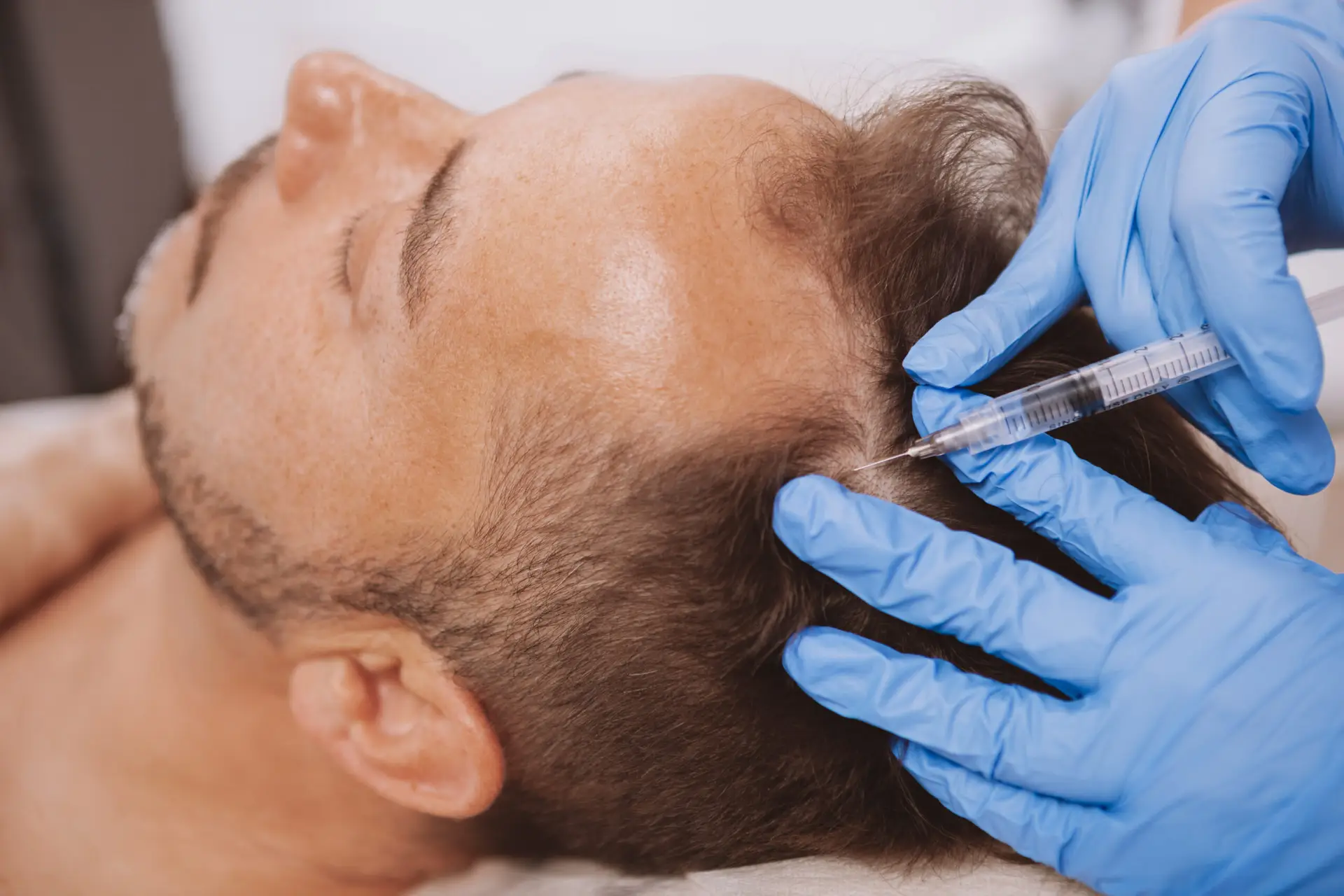
PRP uses your own platelet-concentrated plasma. Platelets contain bioactive growth factors that may help support the scalp’s environment. Because hair growth is cyclical, PRP hair restoration Honolulu results are gradual and vary by the stage and pattern of thinning.
- Works best: early to moderate thinning with active follicles
- Not ideal: areas with long-standing, complete loss (often fewer active follicles)
- Often combined with: a personalized hair strategy discussed during your consult
We’ll review medical history, scalp pattern, and contributing factors such as stress, labs, medications, hormones, and lifestyle factors to guide candidacy.
PRP Hair Restoration Honolulu: How It Works
PRP concentrates platelets and bioactive growth factors from your own blood. Injected into the scalp, it can support the hair follicle environment and promote healthier growth cycles.
1) Small Blood Draw
We collect a small sample of blood, similar to standard lab work.
2) PRP Preparation
The sample is processed to concentrate platelets, creating platelet-rich plasma.
3) Scalp Injections
PRP is injected into thinning areas to support scalp health and follicles over time.
What PRP may help with
- Thinning at the crown or top of scalp (common with androgenetic hair loss)
- Widening part line and early diffuse thinning patterns
- Shedding concerns (after evaluation of contributing factors)
- Supporting results when combined with a broader hair restoration plan
Note: A consult is important to confirm candidacy and rule out other causes such as thyroid issues, iron deficiency, stress-related shedding, medication effects, and more.
What to Expect
Clear steps, realistic expectations, and a plan you can follow.
Consult + Scalp Assessment
We review your goals, medical history, pattern of thinning, and any prior treatments. Then, we outline whether PRP is appropriate and what a realistic timeline could look like for you.
Bring: a list of medications/supplements + any prior labs or hair loss evaluations.Your Treatment Day
Expect a blood draw, PRP processing, and scalp injections. Most people return to normal activities the same day.
Comfort: we’ll review options to minimize tenderness during treatment.Aftercare
You may have mild scalp tenderness or redness. Follow the post-care instructions provided at your visit to support the best outcome.
Tip: plan a low-sweat day and avoid harsh scalp treatments immediately after.Results + Maintenance
Hair growth is gradual. Many notice reduced shedding first, with thickness and density changes developing over the following months. Maintenance sessions are often recommended to help sustain results.
We’ll track progress and adjust your plan based on response.Ready to explore PRP hair restoration?
Book a consult to review candidacy, expected timeline, and a personalized plan.
Medical disclaimer: This page is for educational purposes and does not replace a medical evaluation. Outcomes vary by individual.
Benefits, Safety, and Practical Details
A straightforward overview of why patients choose PRP and what to consider.
Why patients choose PRP
- Uses your own blood-derived plasma (autologous)
- Non-surgical option for thinning hair
- Can be paired with other hair strategies
- Minimal downtime for most people
Possible side effects
- Temporary tenderness, swelling, or redness
- Mild bruising at injection sites
- Short-term headache or scalp sensitivity (occasionally)
Serious complications are uncommon, but any procedure has risks. Your provider will review your history to ensure PRP is appropriate.
Pricing factors
- Number of sessions in your initial series
- Scalp area treated
- Whether PRP is bundled with other services
- Maintenance frequency
For a specific quote, schedule a consult—we’ll map a plan that fits your goals and budget.
Who may be a candidate for PRP hair restoration?
Many adults with early to moderate thinning may be good candidates for PRP hair restoration in Honolulu, especially when active follicles are still present. During your consultation, we review your hair loss pattern, health history, and goals to decide whether PRP is a good fit.
- Men and women with early to moderate thinning
- Patients noticing widening part lines or crown thinning
- Patients seeking a non-surgical option
- Those open to a treatment series and maintenance plan
PRP Hair Restoration FAQs
Quick answers to common questions about PRP for hair loss.
What is PRP for hair restoration?
PRP (platelet-rich plasma) uses a small sample of your blood that’s processed to concentrate platelets and growth factors. PRP is then injected into thinning areas of the scalp to support follicle and scalp health.
Who is a good candidate for PRP hair treatment?
Many adults with early to moderate thinning may be candidates, especially with androgenetic hair loss patterns. The best way to confirm is an evaluation that includes medical history, scalp assessment, and discussion of realistic expectations.
How many PRP sessions do I need?
Many protocols begin with a short series of sessions spaced a few weeks apart, followed by maintenance visits. Your plan will depend on the degree of thinning, goals, and how you respond.
When will I see results from PRP?
Hair growth takes time. Many patients notice reduced shedding first, then gradual improvements in density and thickness over the following months. Consistency and maintenance often matter for long-term results.
Does PRP for hair loss hurt?
Most people feel brief pinches and pressure. We’ll review comfort options during your visit, and treatments are typically well-tolerated.
Is there downtime after PRP scalp injections?
Downtime is usually minimal. Temporary redness or tenderness can occur, but most patients return to normal activities the same day.
Related services
Explore other Honolulu Wellness Group services that may support your overall wellness plan: